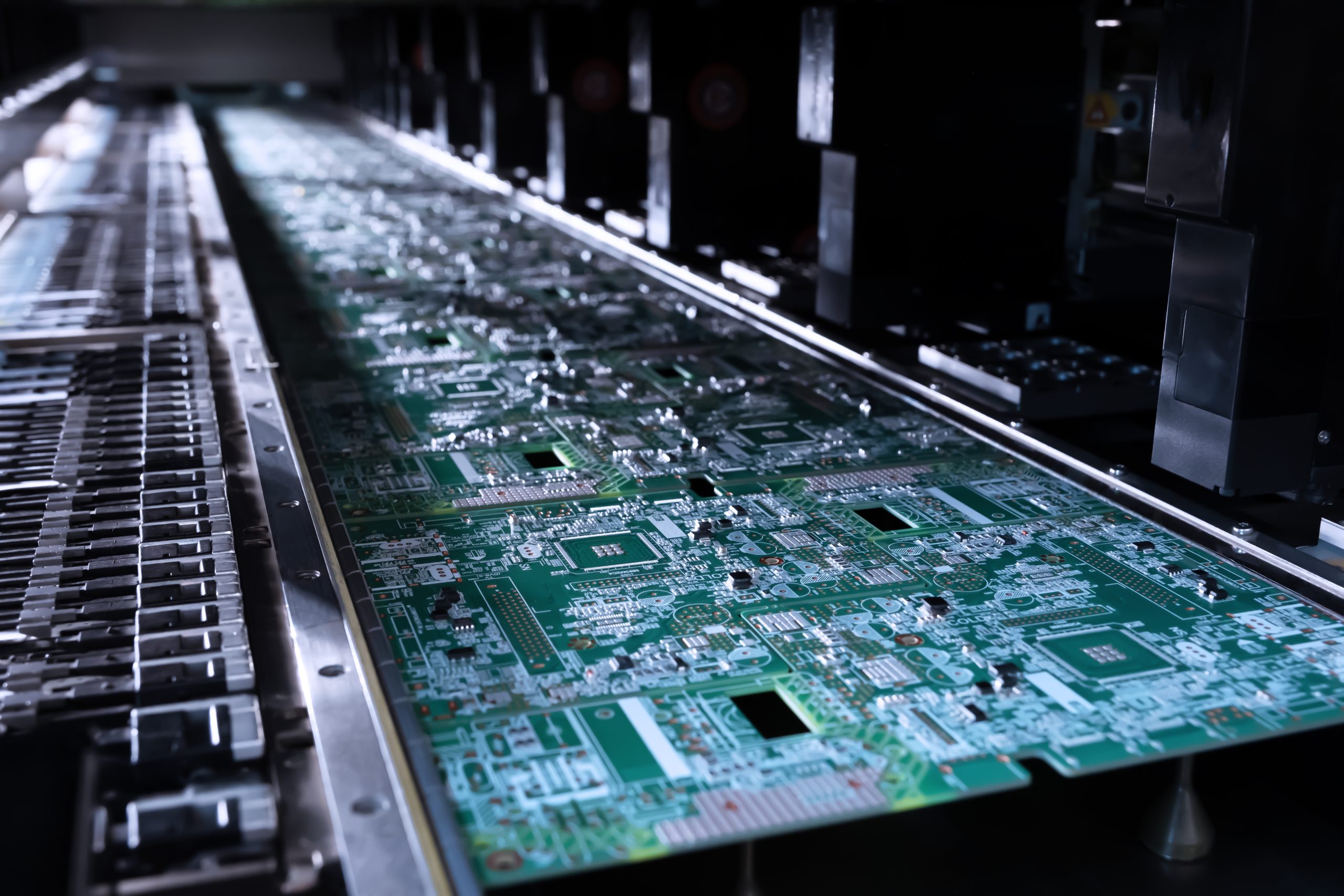
In the electronics industry, rollers may operate in environments combining mechanical demands with exposure to chemicals. Whether used for driving, application or other functions on the line, the requirements placed on their coverings vary depending on the equipment and process.
On some continuous surface treatment lines, rollers may be exposed to chemical baths and substances used at different stages of the process, including electrolytic treatment, cleaning, stripping and rinsing.
The choice of roller covering must therefore take into account the actual conditions in which the roller operates.
Which Roller Covering for Chemical Baths and Chemical Exposure?
There is no single roller covering suitable for every treatment bath. The choice depends in particular on the chemicals to which the roller is exposed, the operating conditions and the mechanical demands associated with its function.
An elastomer suited to the mechanical demands of an application is not necessarily suited to its chemical environment.
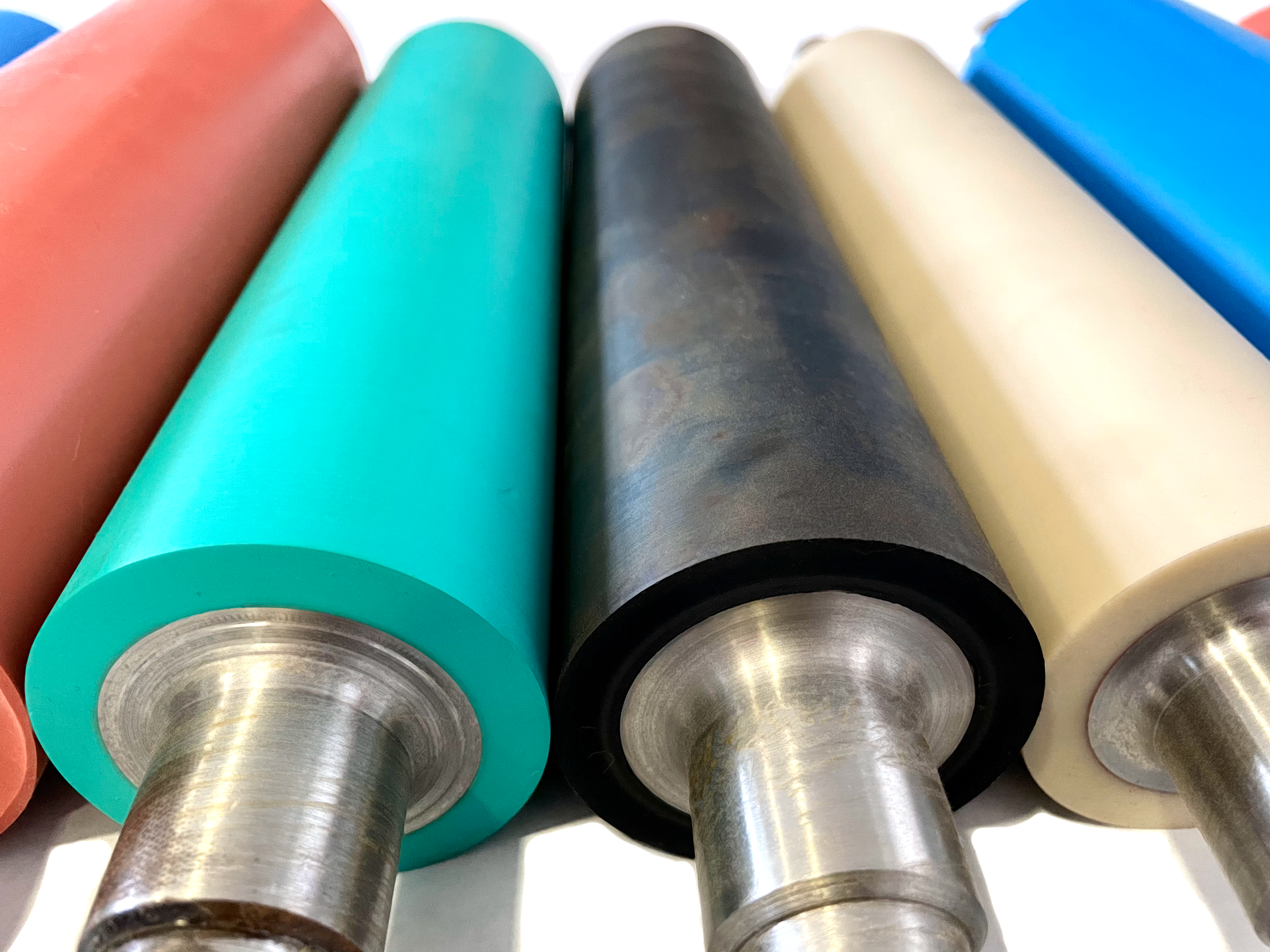
For these applications, ENRI uses nitrile rubber (NBR) coverings, among other rubber compounds selected according to the chemical and mechanical requirements of the application.
The material in contact with the roller, operating conditions and required properties of the covering are therefore among the parameters considered when selecting the appropriate solution.
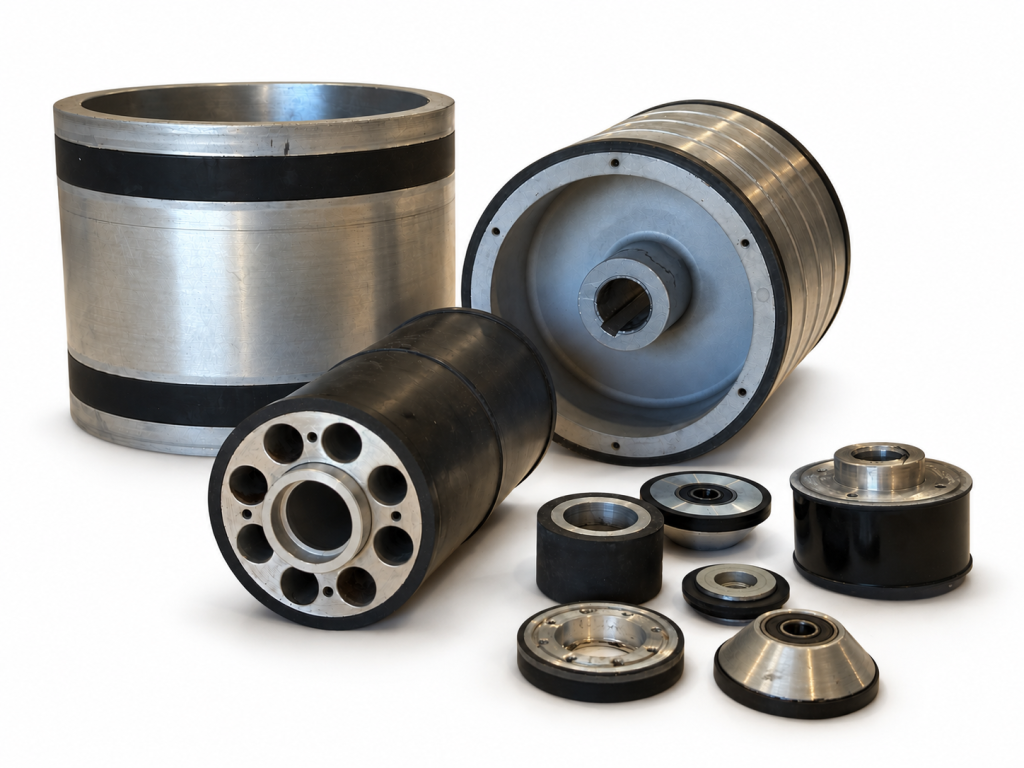
Continuous Surface Treatment: Rollers Operating in Demanding Environments
On continuous surface treatment lines, rollers may come into contact with metal strips made of copper or copper alloys, steel, stainless steel, aluminium and, depending on the application, precious metals.
Reel-to-reel processes are widely used for the continuous treatment of metal strips intended for electronic and electrical applications.
The roller covering must be defined according to the roller’s position on the line, its function and the environment to which it is exposed.
This approach applies both to the selection of the elastomer and to the configuration of the covering itself.
Zoned and Multi-Band Coverings: Adapting the Covering to the Roller’s Function
Depending on the application, a roller does not necessarily require a uniform covering across its entire width.
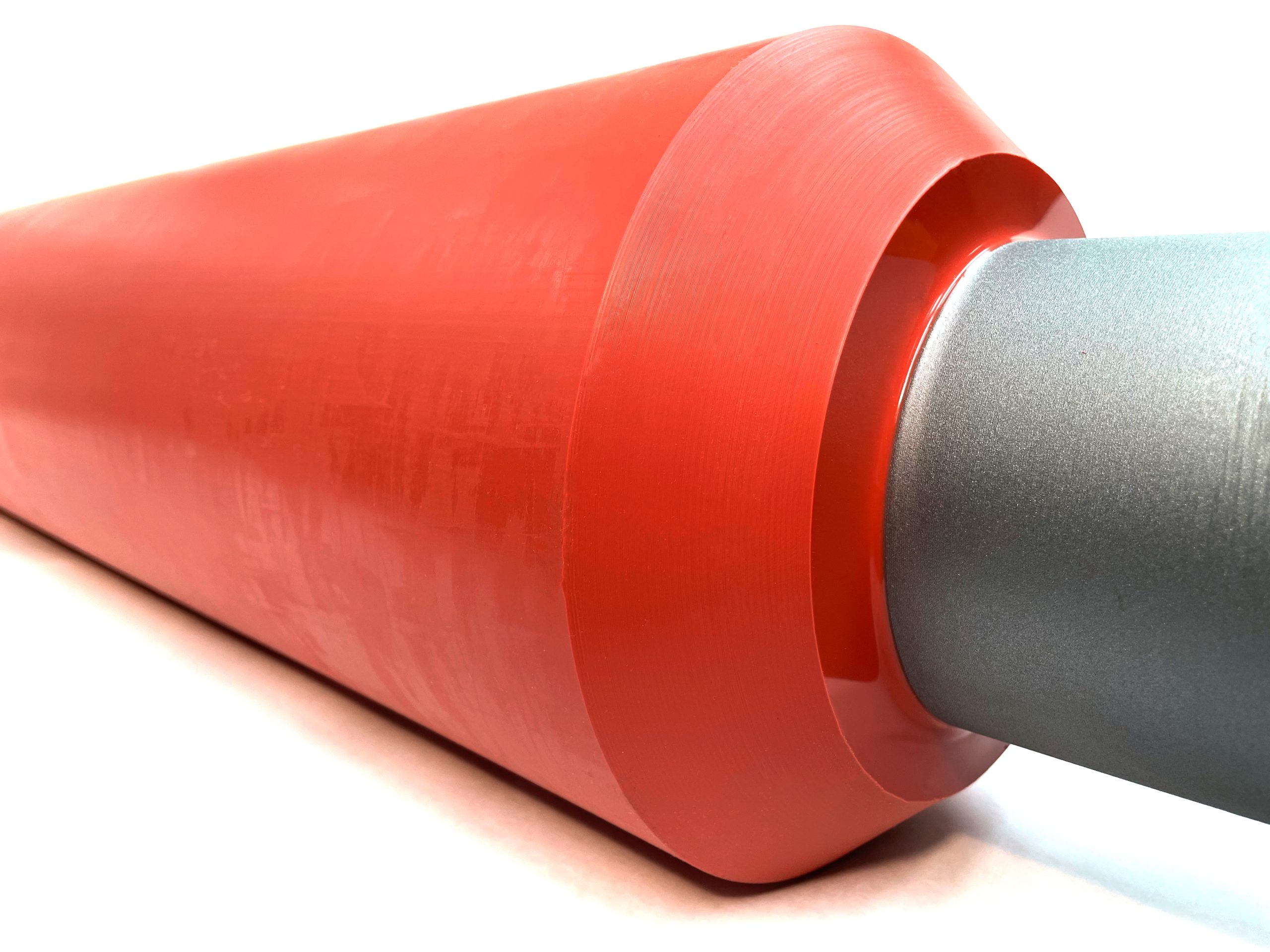
ENRI produces zoned and multi-band roller coverings, with the covered areas defined according to the roller geometry and its function within the equipment.
The width, positioning and number of bands can therefore be adapted to the required configuration.
Defining a roller covering is not solely a matter of selecting the elastomer. The distribution and geometry of the covering across the roller are also part of the technical solution.
Wear, Loss of Traction and Flattening: When Should a Roller Be Recovered?
Covering wear, loss of traction or flattening are among the signs that may indicate the need to recover a roller.
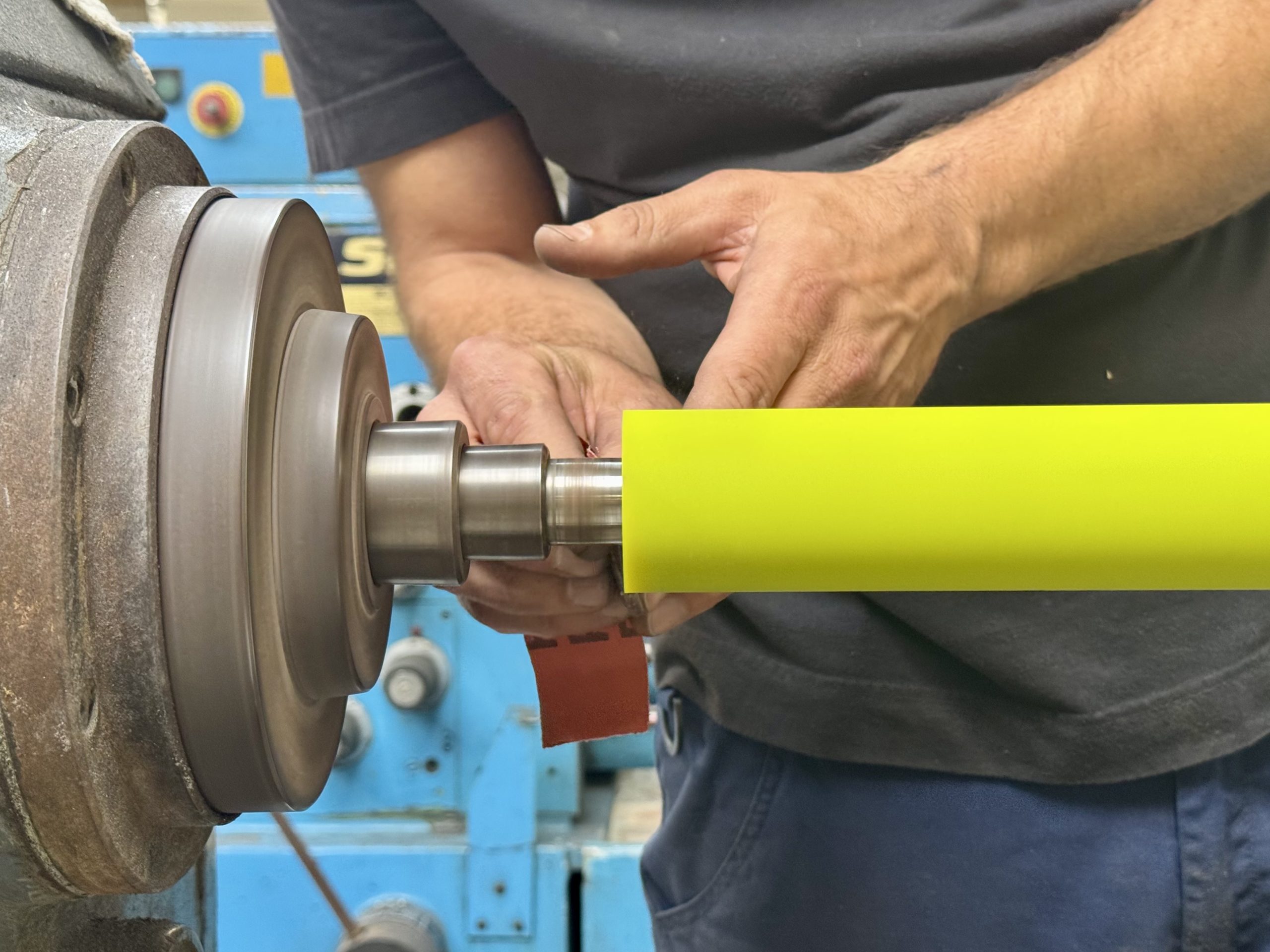
When the roller body can be retained, ENRI recovers the roller with a new covering defined according to the application. New rollers can also be manufactured from a technical drawing or specification.
Solutions That Evolve with Electronics Manufacturing Processes
Technology markets are constantly evolving. Manufacturing processes, materials and the demands placed on equipment evolve with them.
For ENRI, supporting the electronics industry therefore means evolving its solutions alongside it.
The objective is not to associate an industry with a particular material, but to understand the roller’s function and operating environment in order to determine the appropriate solution.
For more than 35 years, ENRI has developed, manufactured and recovered industrial rollers, adapting the choice of elastomers and covering configurations to the requirements of each application.
Optimize your industrial performance
Discover how our solutions can improve the efficiency of your equipment.
Contact our experts →