RAL Colours, Roller Identification, Maintenance and Technical Considerations
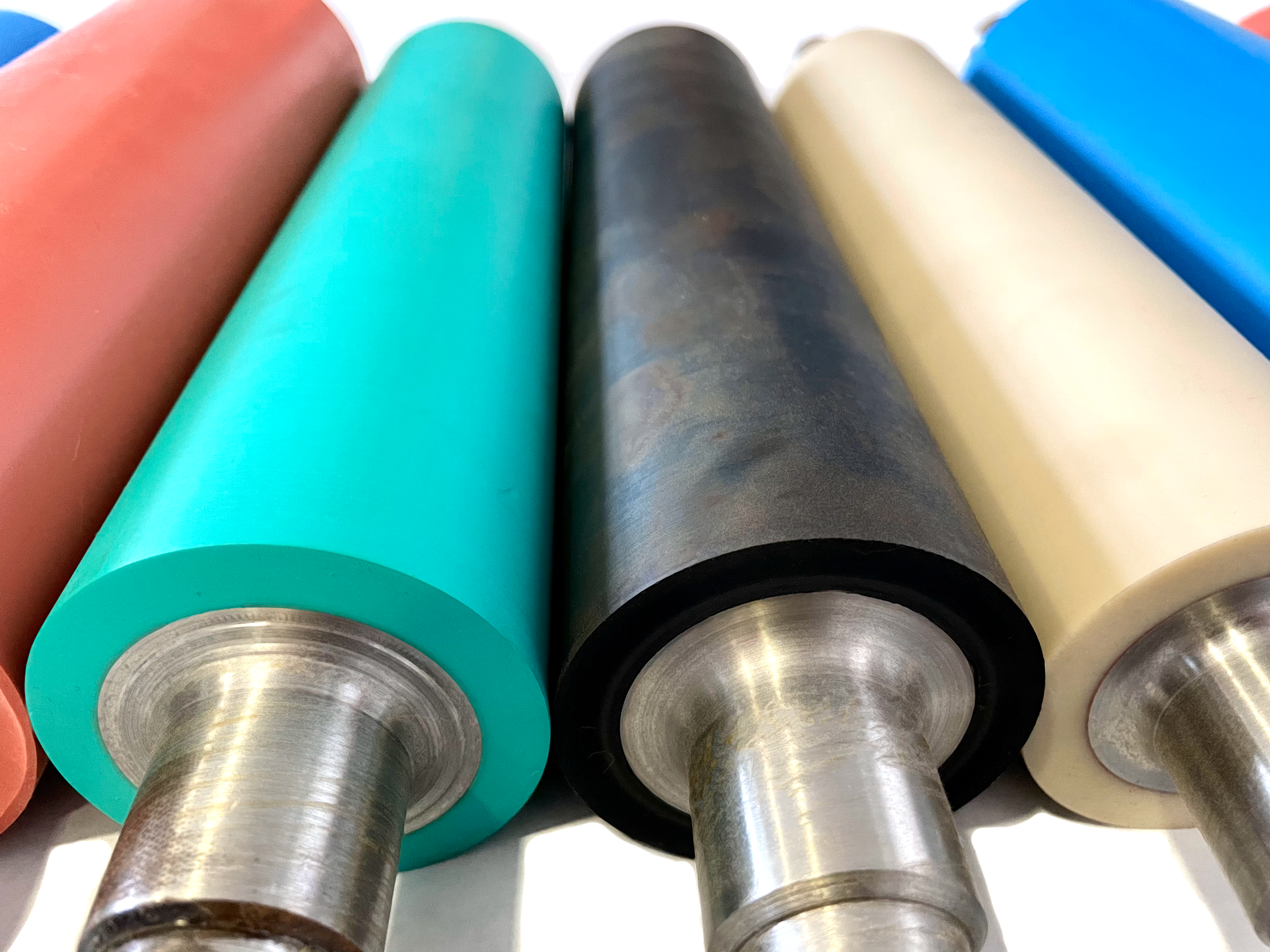
When looking at a production line, one detail often stands out: not every roller is black.
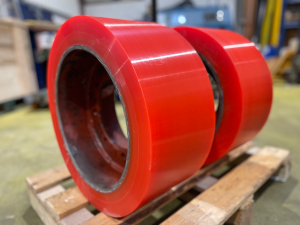
However, colour is never the starting point when selecting an industrial roller covering. In most applications, it serves a practical purpose, such as identifying a roller, complying with a customer’s colour coding system, or simplifying maintenance operations.
Before considering colour, we first evaluate the roller’s operating conditions: the elastomer material, hardness, operating temperature, chemical environment, roller geometry and required surface finish.
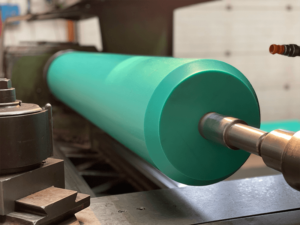
What Is the Purpose of Colour in an Industrial Roller Covering?
In many manufacturing environments, several rollers may have identical dimensions while performing different functions or operating with different hardness levels.
Colour enables operators to identify the correct roller at a glance, making replacement easier and reducing the risk of installation errors. It can also help distinguish different positions within the same production line.
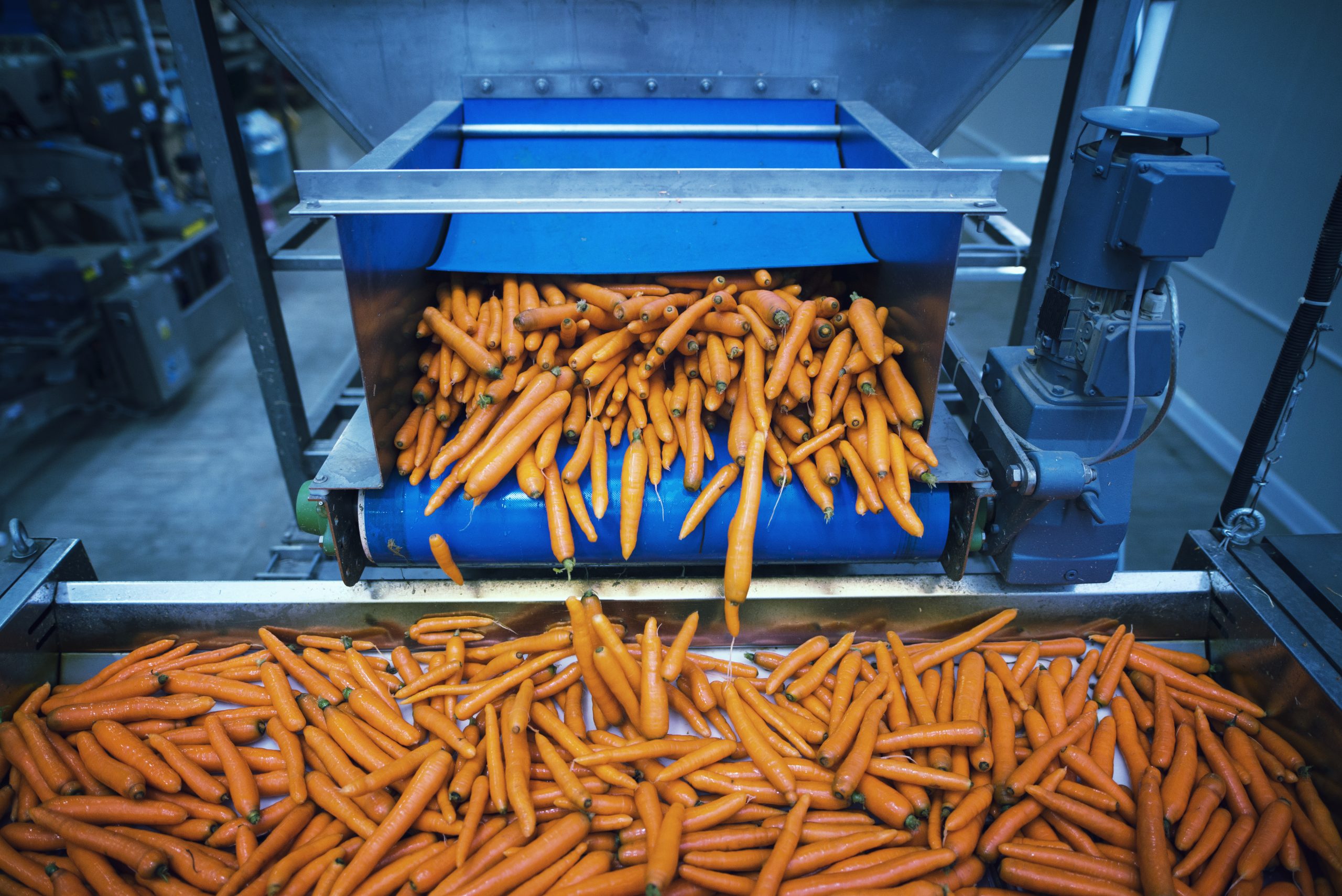
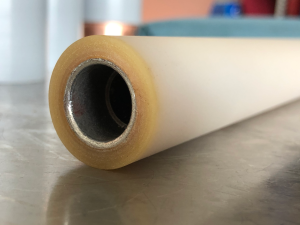
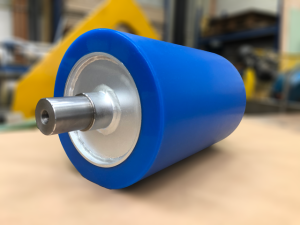
In certain industries, such as food processing, roller coverings are frequently manufactured in white or blue to meet industry practices and production environment requirements.
The use of colour varies from one industry to another. In most cases, the colour coding system is defined by the customer’s manufacturing process and operational needs.
For example, on some steel strip processing lines, different colours are used to identify rollers dedicated to specific material thicknesses, allowing operators to select the correct roller quickly and efficiently.
Can an Industrial Roller Covering Be Manufactured in Any Colour?
In most cases, the colour is specified by the customer according to the organisation of their production line or maintenance procedures.
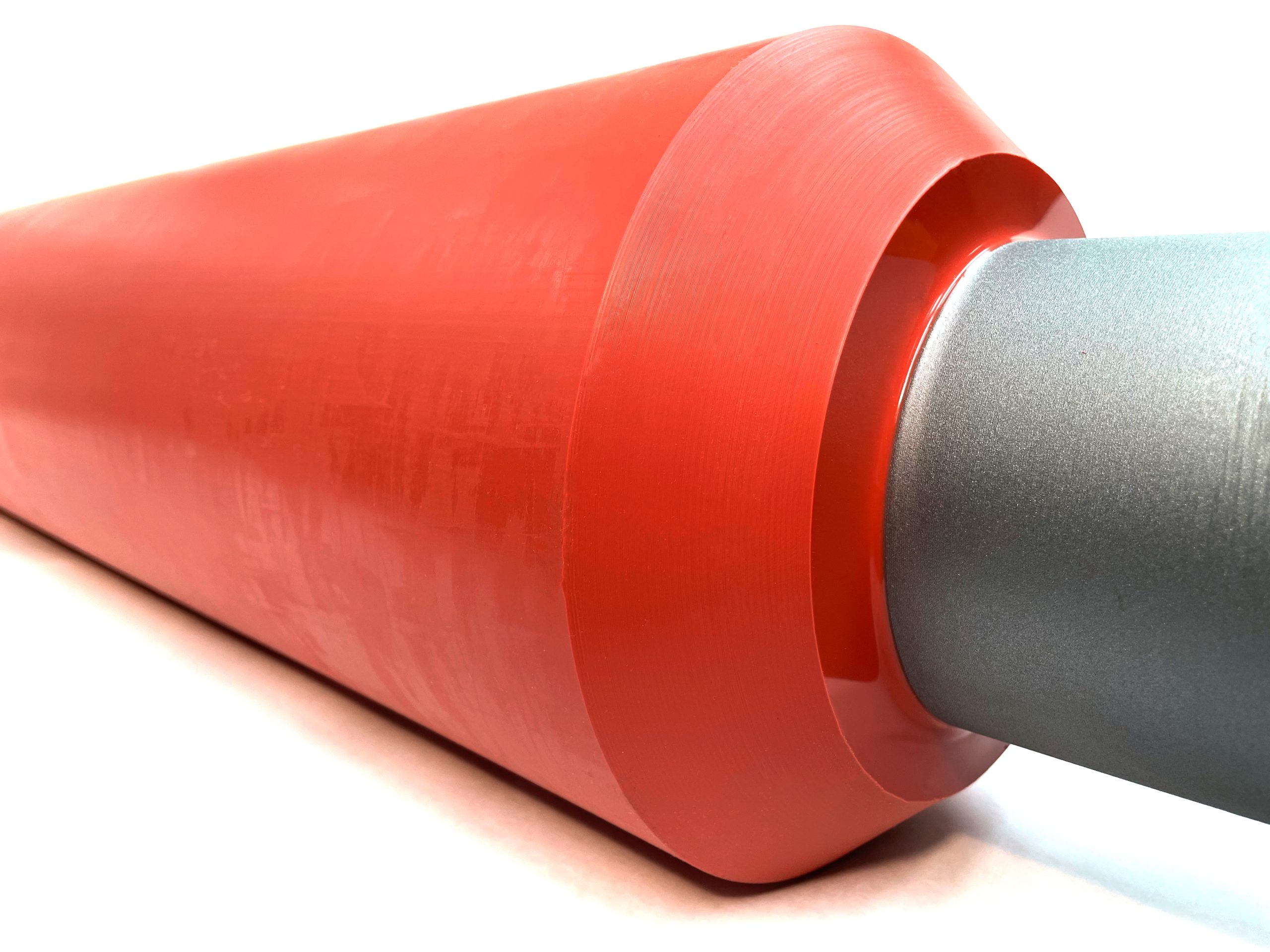
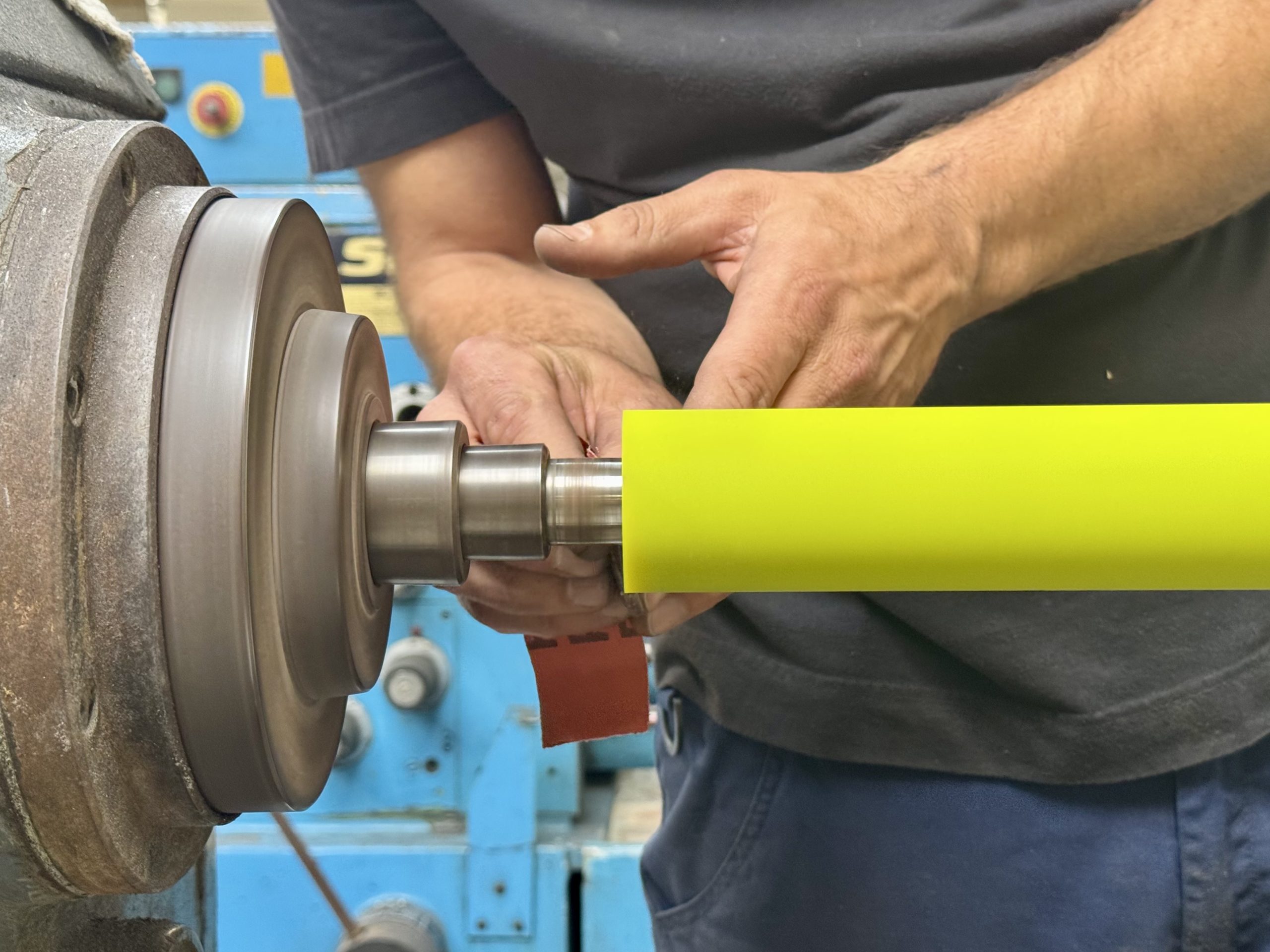
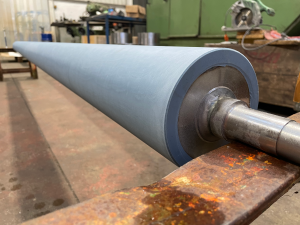
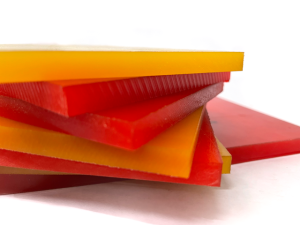
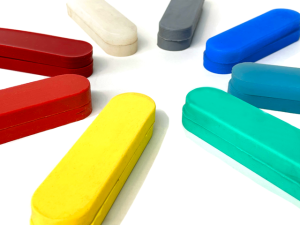
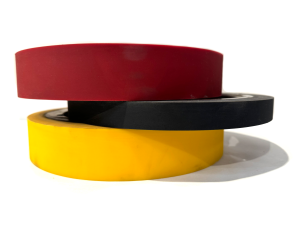
Polyurethane and silicone roller coverings can be manufactured in a wide range of colours, including RAL shades where the application allows. The available options always depend on the elastomer selected and the technical requirements of the application.
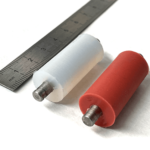
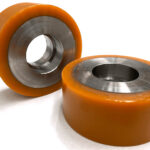
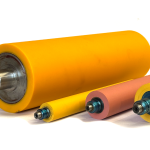
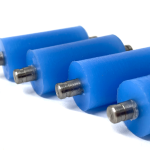
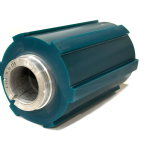
Does Colour Affect the Performance of an Industrial Roller Covering?
Generally, no.
The performance of a roller covering is determined by the application’s operating conditions, including abrasion resistance, chemical exposure, operating temperature, mechanical properties and the required surface finish.
Colour is considered only after these technical parameters have been defined. Its role is to improve equipment identification, maintenance efficiency or production line organisation rather than influence the covering’s technical performance.
How Do We Select the Colour of an Industrial Roller Covering?
At ENRI, colour is never our starting point.
We begin by understanding the industrial application, the roller’s operating conditions and the customer’s objectives.
In many cases, customers already have an established colour coding system. When the selected elastomer allows it, we manufacture the roller covering in the requested colour.
In other cases, we help determine whether colour can provide practical benefits for the application, whether by improving process organisation, simplifying maintenance or making equipment identification easier.
Colour Is Never an Isolated Design Choice
Two rollers with the same colour may be designed for completely different operating conditions. Conversely, two rollers with different colours may have identical technical properties.
Colour is therefore only one element in the design of an elastomer roller covering. Material selection, hardness, roller geometry and operating conditions always remain the primary criteria.
Frequently Asked Questions
Why are industrial rollers available in different colours?
Colour is primarily used to identify equipment, comply with internal colour coding systems and simplify operation and maintenance.
Who decides the colour of a roller covering?
In most cases, the customer defines the colour according to the organisation of their production line, maintenance procedures or internal identification system.
Can roller coverings be manufactured in a specific RAL colour?
Yes. Polyurethane and silicone roller coverings can be produced in a wide range of colours, including RAL shades where the application allows. Colour options may be more limited for certain rubber compounds.
Does colour affect the performance of a roller covering?
No. Material selection always comes first. Colour is only considered when it provides a functional benefit for the application.
Are black industrial rollers more durable or higher performing?
Not necessarily. Colour is generally unrelated to performance. The roller covering’s material, hardness and technical characteristics are selected according to the application’s operating conditions.
Written by ENRI’s technical team, drawing on more than 35 years of expertise in elastomer roller coverings for industrial applications.
Need a technical solution?
Trust ENRI for your industrial coatings and molded technical parts.
Contact our experts →